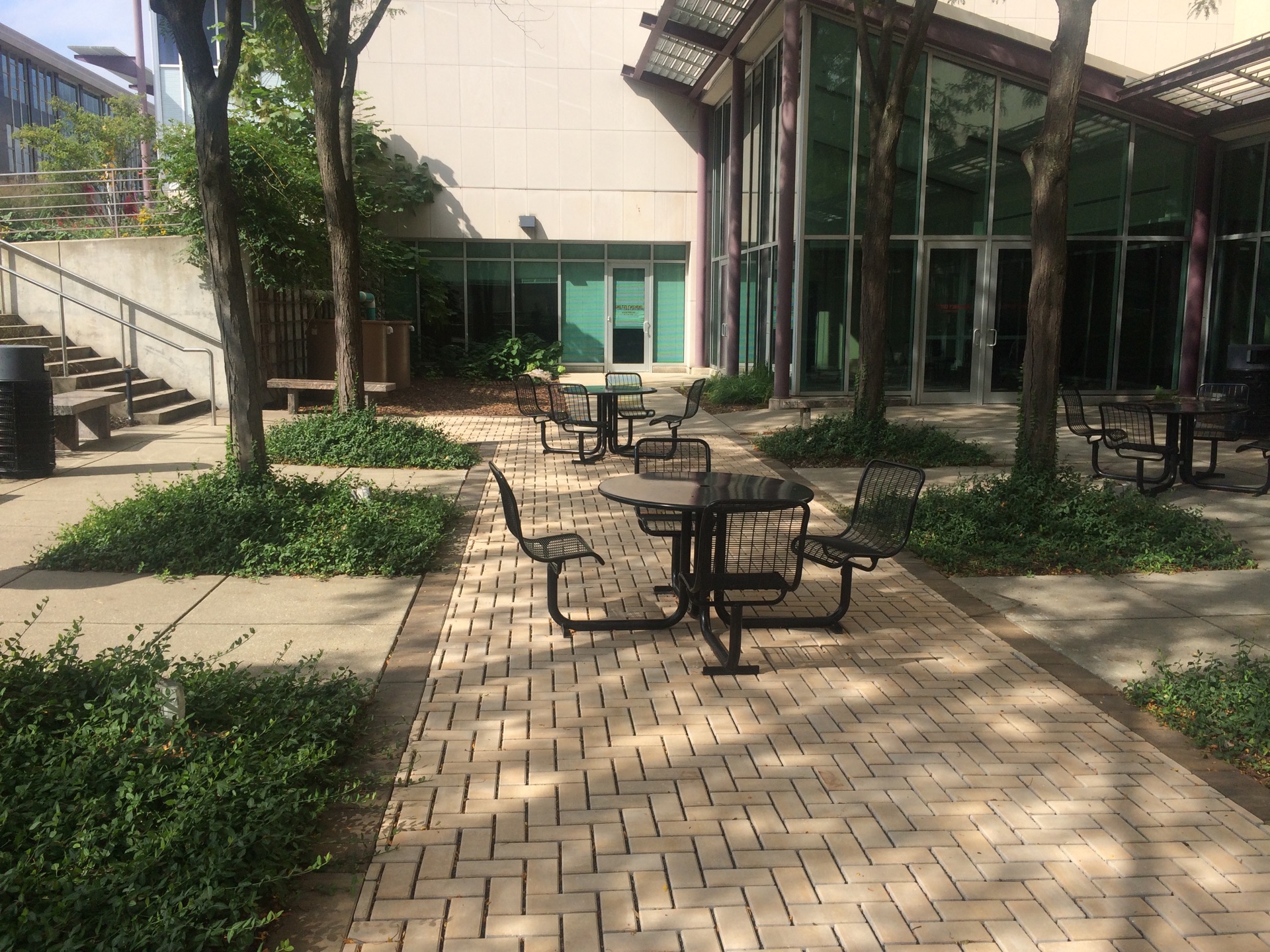
Permeable paver plaza with greenery
Photo: Aaron Volkening / CC BY 2.0
Pervious Pavement / Material Innovation

Building the infrastructure the next generation will stand on.

SPP Block turns spent coffee grounds and reclaimed aggregate into a permeable interlocking concrete paver, engineered as a direct replacement for conventional PICP, at lower cost and lower embodied carbon.

Scroll
Technology

Two waste streams, one structural material

SPP Block replaces virgin aggregate and filler material with reclaimed aggregate and processed spent coffee grounds sourced from cafes and roasters. A pervious paver is a paving unit engineered to let water pass directly through it rather than shedding it the way conventional concrete or asphalt does, reducing runoff and allowing water to recharge naturally into the ground below.

SPP BLOCK — pervious through the full unit, not just the joint OPEN‑GRADED JOINT — fast‑path infiltration between units Compacted aggregate base Native subgrade
Fig. 1 — SPP Block infiltration: through the unit and through the joint
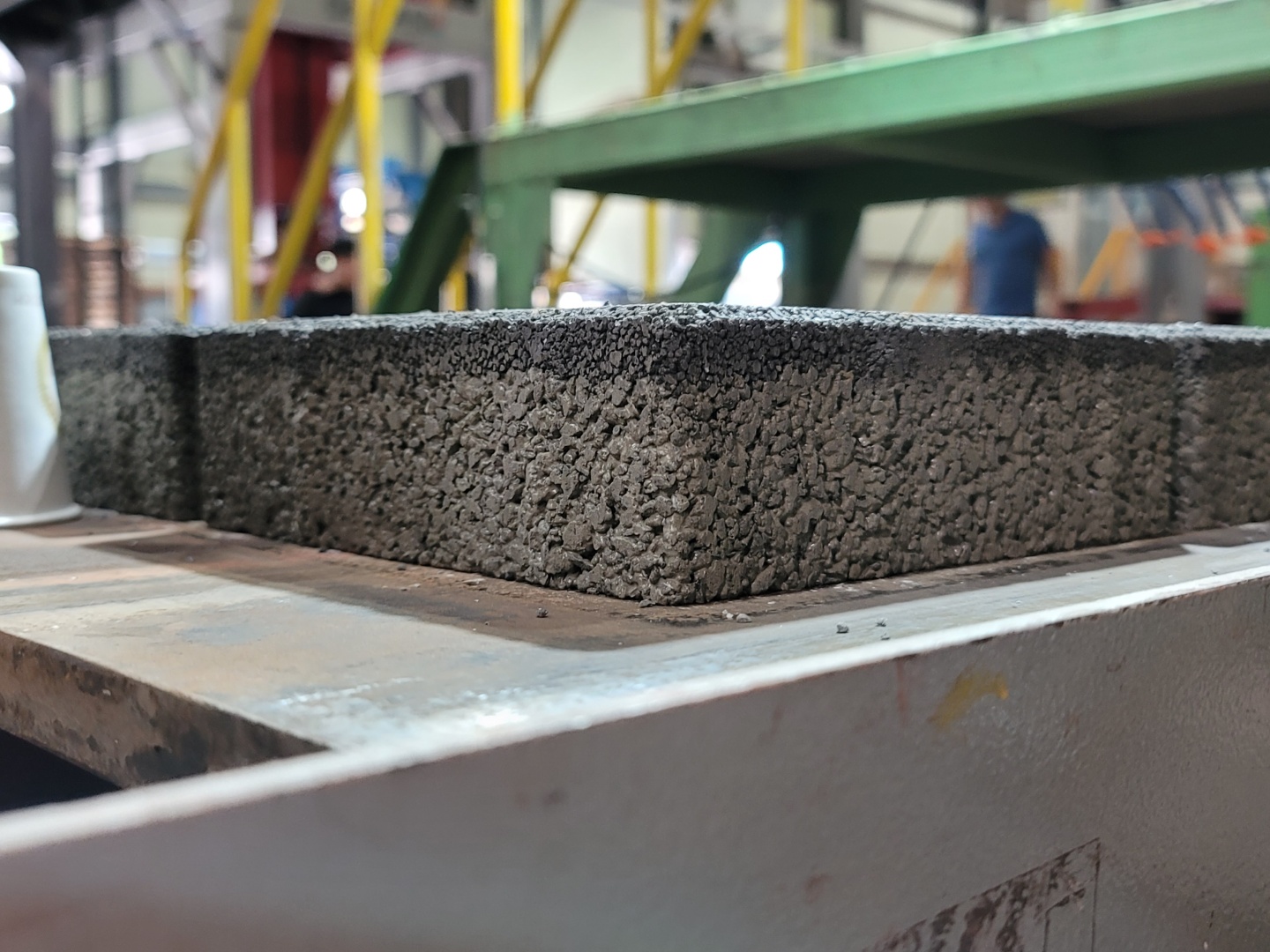
Close up corner of an SPP Block showing reclaimed aggregate and spent coffee grounds in the finished mix
Fig. 2 — Reclaimed aggregate and spent coffee grounds in the finished mix
The Problem

Stormwater infrastructure is underfunded and paving is carbon heavy

Aerial view of cars driving through a flooded urban street after a storm Urban stormwater flooding — Photo: Radoslaw Sikorski, Pexels
$620M

Metro Atlanta stormwater infrastructure funding gap, a shortfall that permeable pavement adoption can directly help close.

2.8B tons

Annual CO2 emissions from global cement production, the primary binder behind conventional pavement.

Municipalities face a widening gap between required stormwater infrastructure investment and available funding, while conventional pavement production remains a significant source of embodied carbon in the built environment.

Business Model

We partner with the factory, not build a new one

Jexim licenses and supplies the SPP Block material blend to existing paver manufacturers rather than building new manufacturing capacity, allowing rapid scale through established production and distribution networks. We are currently in talks with several manufacturers about bringing SPP Block onto their lines.

01
Full Scale Manufacturing Pilot Completed
Demonstrated field ready performance at production scale, using standard paver manufacturing equipment.
02
No Additional Machinery Required
SPP Block runs on the equipment manufacturers already use, removing the biggest barrier to adoption.
SPP BLEND Licensed material EXISTING PAVER LINE No new machinery required SPP BLOCK Ready for distribution MARKET via existing distribution
Fig. 3 — Jexim supplies the blend; manufacturers keep their existing line and distribution
$13.47B

Projected size of the national PICP market by 2033, the opportunity SPP Block is built to capture through existing manufacturing partners.

Performance

Engineered to meet the standard it replaces

SPP Block is validated against ASTM C90 and positioned for LEED v4 credit contribution, with performance data published in a peer reviewed journal and protected under a pending United States patent application.

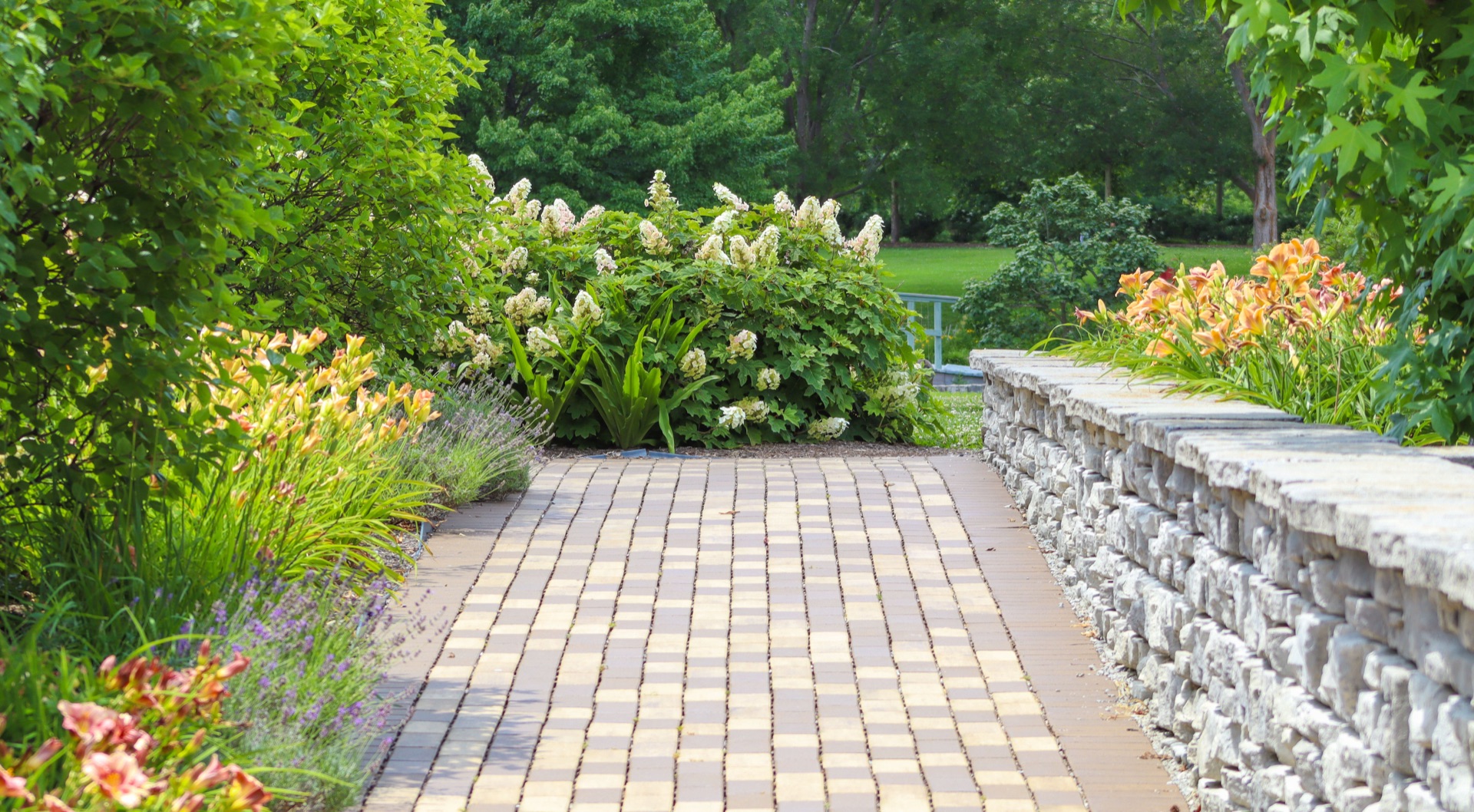
Aesthetic permeable paver walkway lined with lush greenery and flowers Permeable paver walkway — Photo: Vadim Malitskii, Pexels
SPP Block vs. Conventional PICP
SPP Block
PICP
LEED v4 credit potential
10–12 pts
2–4 pts
Compressive strength
20.5 MPa (exceeds C90)
Meets ASTM C90
Relative material cost
30% lower
Baseline
Embodied carbon
30% lower
Baseline

Rather than relying on the standalone regional materials credit eliminated after LEED 2009, SPP Block strengthens Materials and Resources credits MR2 and MR3 through the Location Valuation Factor, supported by a published Environmental Product Declaration — the basis for the higher estimated credit range above.

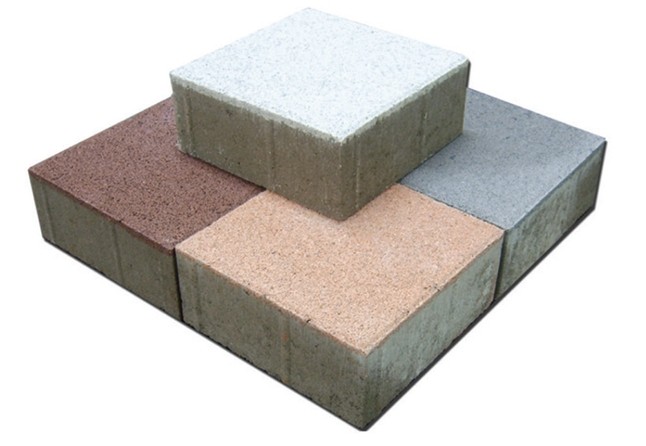
Four SPP Block color variants side by side, ranging from light grey to terracotta and charcoal
Fig. 4 — Color variation across reclaimed aggregate sources

One mix design, a range of finishes

Color in SPP Block isn't just a byproduct of the reclaimed material, it's a design lever. By adjusting the aggregate source and blend ratio, we can tune the finished color toward a target palette, from neutral greys to warmer terracotta tones, giving manufacturers and specifiers room to design for a specific look without changing the underlying mix design or performance.

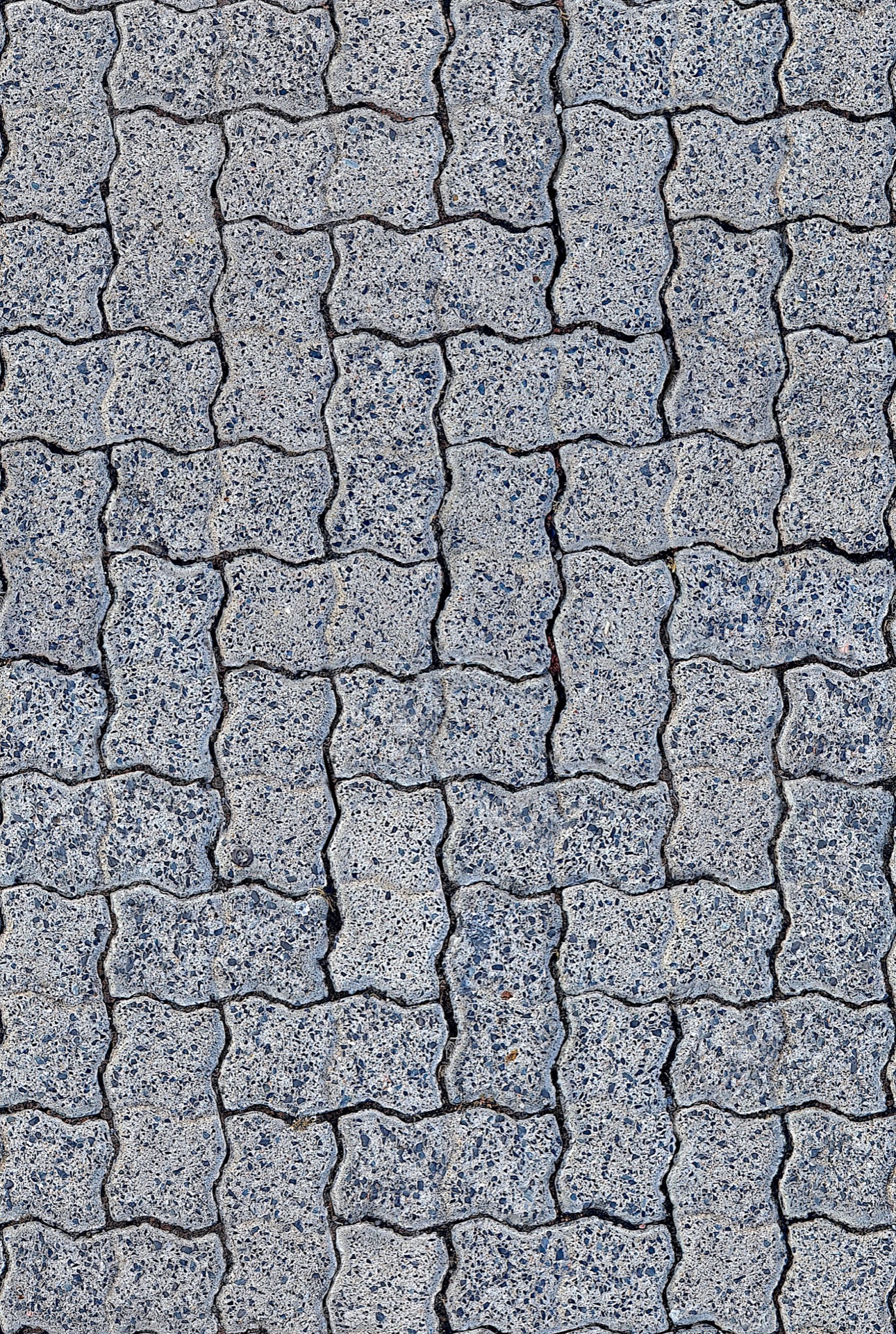
Top down view of interlocking permeable pavers filling the frame
Photo: TXTR, Pexels
Vision

Turning waste streams into the infrastructure cities already need

Our vision is simple: use infrastructure as a tool to make the world more sustainable. It's the mission Jexim shares with Jexim Global.

Explore Jexim Global
Contact

Let's start a conversation

Whether you are a manufacturer, architect, municipal planner, or investor, reach out for the full technical package on SPP Block.